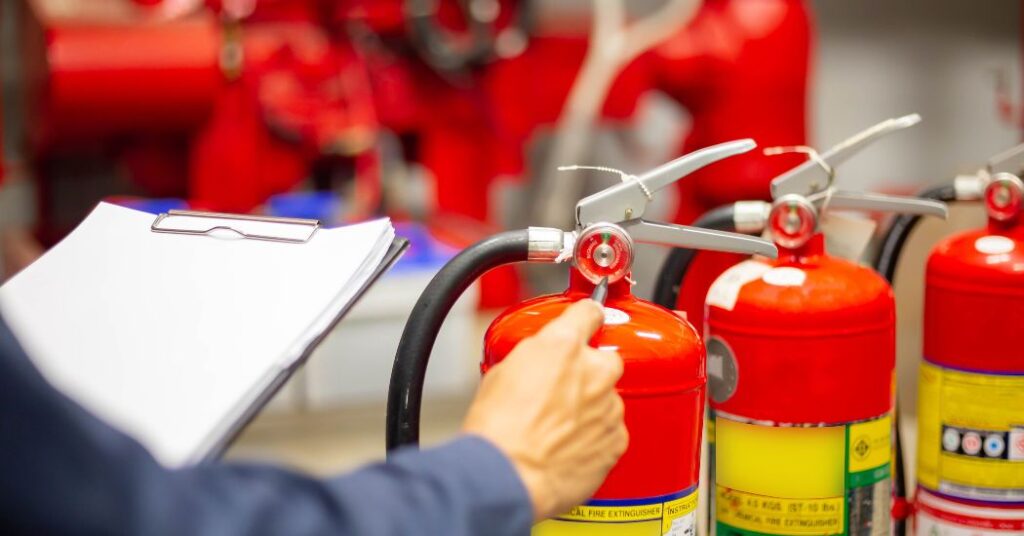
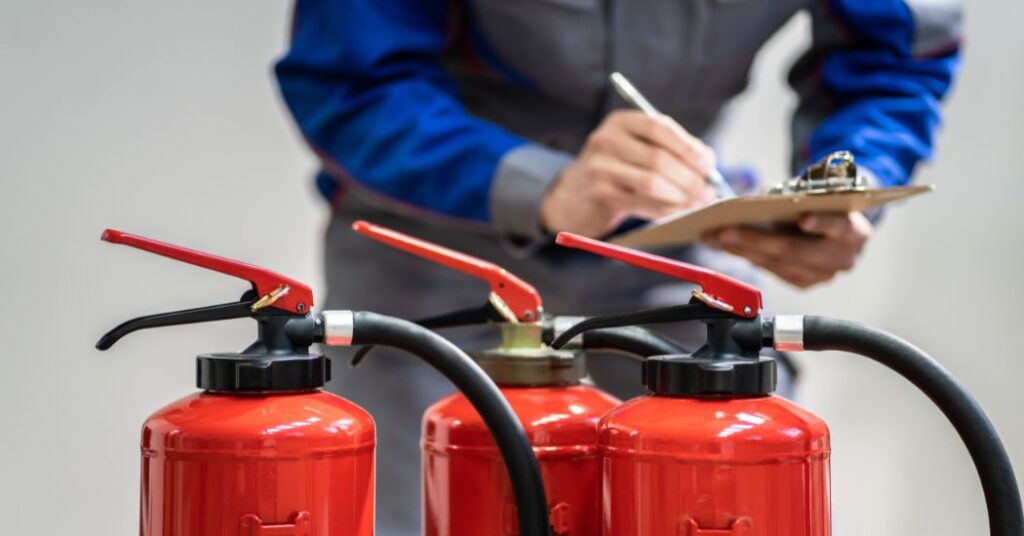
An emergency response plan Malaysia workplaces can apply should explain how employees respond when a serious incident occurs.
The plan should identify foreseeable emergencies, assign clear responsibilities and provide practical instructions for communication, evacuation and incident coordination.
However, many organisations prepare an Emergency Response Plan only for audits. Employees may not understand the document, emergency contact details may become outdated and appointed team members may not know their responsibilities.
As a result, the plan may fail when the organisation needs it most.
A useful workplace ERP must remain clear, practical and regularly tested. It should reflect the organisation’s actual layout, workforce, operating hours, equipment and hazards.
AFSA Academy provides practical emergency response, fire safety and HAZMAT training for commercial and industrial organisations. Its programmes help workplace teams connect written procedures with scenario-based exercises.
What Is an Emergency Response Plan?
An Emergency Response Plan, commonly known as an ERP, is a documented system that guides an organisation during foreseeable workplace emergencies.
The plan explains:
- What employees should do.
- Who activates the response.
- Who makes decisions.
- How the organisation communicates.
- Which areas employees must avoid.
- How occupants evacuate.
- Where employees should assemble.
- Who contacts external emergency services.
- How the organisation accounts for employees.
- How management reviews the incident afterward.
A workplace emergency response plan should not use complicated instructions that employees cannot follow under pressure.
Instead, it should present direct actions, clear responsibilities and reliable contact information.
The organisation should also ensure that employees understand the parts of the plan that relate to them.
General employees may only need to understand alarm signals, evacuation routes and assembly points. Meanwhile, Emergency Response Team members require more detailed information about command, communication and initial response duties.
Why Malaysian Workplaces Need an Emergency Response Plan
Unexpected incidents can disrupt normal operations within minutes.
A workplace may face emergencies involving:
- Fire or smoke.
- Chemical spills.
- Gas leaks.
- Machinery incidents.
- Electrical emergencies.
- Medical emergencies.
- Structural damage.
- Severe weather.
- Utility failure.
- Security threats.
- Transport incidents.
- Environmental releases.
The organisation may not prevent every emergency. However, it can prepare employees to respond more systematically.
A suitable workplace emergency response plan can help organisations:
- Reduce confusion.
- Clarify responsibilities.
- Improve emergency communication.
- Support faster evacuation.
- Protect visitors and contractors.
- Coordinate Emergency Response Team members.
- Provide useful information to external responders.
- Reduce unnecessary operational delays.
- Improve incident documentation.
- Identify corrective actions.
The DOSH Emergency Response Plan checklist covers areas such as emergency organisation, notifications, evacuation, first aid, rescue, emergency equipment, training and post-incident evaluation.
Organisations should also review the occupational safety, fire safety and industry requirements that apply to their premises.

Step 1: Identify Foreseeable Emergency Scenarios
The organisation should begin by identifying emergencies that could realistically affect its workplace.
Management should not copy a generic list without reviewing actual operations.
Instead, the planning team should consider:
- Workplace activities.
- Building layout.
- Machinery and equipment.
- Chemicals and hazardous materials.
- Number of occupants.
- Shift arrangements.
- Contractor activities.
- Nearby industrial risks.
- Access for emergency vehicles.
- Distance from external emergency services.
For example, an office may prioritise fires, medical emergencies, electrical incidents and high-rise evacuation.
A warehouse may also need to consider vehicle movement, storage fires and dangerous goods.
Meanwhile, a chemical facility may require detailed procedures for leaks, spills, toxic vapours, isolation zones and alternative assembly areas.
Each identified emergency should have a suitable response procedure.
Step 2: Assess the Potential Impact
After identifying possible emergencies, the organisation should consider how each incident may affect people, property and operations.
The assessment may review:
- Possible injuries.
- Number of exposed employees.
- Areas that may become unsafe.
- Potential fire or explosion risks.
- Chemical exposure.
- Environmental effects.
- Business interruption.
- Damage to critical equipment.
- Access limitations.
- External community impact.
This process helps management prioritise emergency planning.
A low-risk office and a chemical manufacturing facility should not use the same response structure.
The plan should match the organisation’s actual risk level and response capability.
Step 3: Establish an Emergency Response Team
The organisation should appoint competent employees to support its initial response.
The Emergency Response Team may include:
- Incident commander.
- Deputy incident commander.
- Emergency coordinators.
- Communication personnel.
- Fire wardens.
- First aiders.
- Security personnel.
- Assembly-point coordinators.
- Trained firefighting personnel.
- Rescue personnel.
- HAZMAT response personnel.
Not every organisation requires every role.
Management should build the structure around workplace hazards, building size and available personnel.
Each member should receive:
- A written appointment.
- Clear responsibilities.
- Suitable training.
- Access to relevant equipment.
- Updated emergency information.
- Opportunities to participate in drills.
- Refresher training when required.
AFSA’s Emergency Response Team training programme covers incident command, team roles, communication, fire response and evacuation-related activities for workplace teams.
Step 4: Define the Incident Command Structure
An incident command structure creates a clear decision-making process during an emergency.
Without an agreed structure, different managers may issue conflicting instructions.
The plan should identify:
- Who leads the response.
- Who assumes control when the main leader is absent.
- Who receives incident updates.
- Who contacts external agencies.
- Who manages evacuation.
- Who controls access.
- Who communicates with management.
- Who records important decisions.
The incident commander should maintain an overview of the situation.
The person should assign tasks, receive updates and coordinate different response groups instead of attempting every operational action personally.
Deputies should also understand the role. Emergencies may occur when the appointed commander remains off-site, attends a meeting or works on another shift.
Step 5: Create Clear Emergency Communication Procedures
Communication can determine whether employees respond quickly or remain uncertain.
The workplace emergency procedure should explain:
- How employees report an emergency.
- Who activates the alarm.
- Which internal number employees should call.
- Who contacts external emergency services.
- What information the caller should provide.
- How employees receive evacuation instructions.
- How the ERT communicates internally.
- How management receives updates.
- Who communicates with family members or the public.
Emergency messages should remain short and accurate.
A person contacting emergency services may need to provide:
- Organisation name.
- Exact incident location.
- Type of emergency.
- Known hazards.
- Number of affected persons.
- Best access point.
- Name and contact number of the site representative.
The organisation should review contact lists regularly.
Outdated phone numbers can delay the response and create additional confusion.
Step 6: Develop Evacuation Procedures
The emergency evacuation plan should help occupants leave the affected area safely.
It should identify:
- Primary evacuation routes.
- Alternative routes.
- Emergency exits.
- Staircase procedures.
- Prohibited areas.
- Assembly points.
- Alternative assembly points.
- Fire warden zones.
- Visitor assistance.
- Procedures for employees who need support.
- Re-entry authorisation.
Employees should understand that they must not use lifts during a fire evacuation unless the building’s approved procedure specifically provides otherwise.
They should also leave personal belongings behind and proceed directly to the assigned assembly point.
The plan should consider employees or visitors who may need additional assistance.
Management should assign suitable helpers, review accessible routes and avoid relying on improvised arrangements during an actual emergency.
Step 7: Plan Assembly-Point Management
Evacuation does not end when employees leave the building.
The organisation must account for employees, visitors and contractors.
The ERP should explain how assembly-point personnel will:
- Organise employees by department.
- Conduct headcounts.
- Check visitor records.
- Record missing occupants.
- Communicate results.
- Prevent employees from leaving.
- Keep emergency access clear.
- Stop unauthorised re-entry.
- Provide updates to the incident commander.
The organisation should maintain accurate employee and visitor records.
An outdated attendance list may cause the team to report someone missing even though the person did not attend work that day.
Large organisations may require several assembly points or department coordinators.
The plan should make the reporting structure clear.
Step 8: Include Medical Emergency and First Aid Procedures
A workplace ERP should also cover injuries and medical emergencies.
The plan may identify:
- Trained first aiders.
- First aid kit locations.
- AED locations.
- Internal medical contact procedures.
- Ambulance access points.
- Nearest suitable medical facility.
- Emergency handover procedures.
- Incident-reporting requirements.
First aiders should only perform actions that match their training.
Other employees should avoid crowding around the affected person or interfering with trained responders.
The organisation should also ensure that emergency equipment remains accessible during every operating shift.
Step 9: Include HAZMAT Procedures Where Relevant
Workplaces that manufacture, store or use hazardous materials need additional emergency arrangements.
The ERP may need to cover:
- Chemical identification.
- Safety Data Sheet access.
- Alarm and notification procedures.
- Safe isolation distances.
- Restricted access.
- Wind direction.
- Alternative evacuation routes.
- Alternative assembly points.
- Personal protective equipment.
- Decontamination arrangements.
- Communication with specialist responders.
General employees should not attempt to contain or clean a hazardous spill unless they have received suitable training, equipment and authorisation.
AFSA’s HAZMAT Handling and Identification programme supports organisations that need additional competency in hazard identification, Safety Data Sheets, PPE and initial chemical-incident response.
The organisation should also review its existing fire safety compliance arrangements so the ERP aligns with its wider fire safety structure.
Step 10: Identify Emergency Equipment and Resources
The ERP should list the equipment and resources available to support the response.
These may include:
- Fire alarm systems.
- Portable fire extinguishers.
- Fire hose reels.
- Emergency lighting.
- First aid kits.
- AED units.
- Emergency radios.
- Spill-control equipment.
- Personal protective equipment.
- Rescue equipment.
- Emergency shutdown controls.
- Evacuation chairs.
- Site maps.
- Safety Data Sheets.
The organisation should identify:
- Equipment locations.
- Responsible persons.
- Inspection schedules.
- Maintenance requirements.
- Access restrictions.
- Replacement procedures.
Equipment that employees cannot locate, access or operate may not provide effective support during an emergency.
Therefore, training and equipment planning should remain connected.
Step 11: Prepare Emergency Maps and Supporting Documents
Visual information can help employees understand the emergency plan more quickly.
The organisation may prepare:
- Evacuation maps.
- Emergency-exit diagrams.
- Assembly-point maps.
- Fire warden zone plans.
- Emergency contact lists.
- ERT organisation charts.
- Chemical storage maps.
- Emergency equipment locations.
- Utility isolation points.
- Emergency vehicle access routes.
The maps should reflect the current workplace layout.
Management should update them after renovation, expansion, department relocation or changes to emergency routes.
Employees should also be able to read the maps easily.
Small text, unclear symbols and outdated room names can reduce their usefulness.
Step 12: Conduct Emergency Drills
A written plan remains untested until employees use it during an exercise.
Organisations should conduct drills that reflect their workplace risks.
Possible exercises include:
- Fire evacuation drills.
- Tabletop exercises.
- Chemical spill simulations.
- Medical emergency scenarios.
- Communication exercises.
- Night-shift drills.
- Alternative-route evacuations.
- Incident-command simulations.
Before the exercise, management should define clear objectives.
The drill may test:
- Alarm activation.
- Employee reaction.
- ERT mobilisation.
- Incident command.
- Fire warden performance.
- Emergency communication.
- Evacuation routes.
- Visitor assistance.
- Assembly-point control.
- Headcount accuracy.
- External responder access.
Observers should record what happens instead of relying on memory.
Step 13: Evaluate the Exercise
After the drill, the organisation should conduct a structured debriefing.
The review should identify:
- What worked well.
- Which instructions caused confusion.
- Whether the alarm remained effective.
- Whether employees used the correct routes.
- How quickly the ERT responded.
- Whether team members understood their roles.
- Whether visitors received assistance.
- Whether headcounts remained accurate.
- Whether equipment remained accessible.
- Which corrective actions the organisation needs.
The review should focus on system improvement rather than blaming employees.
For example, an employee may use the wrong exit because signage remains unclear. A department may submit an incorrect headcount because the attendance system contains outdated information.
The organisation should identify the underlying cause and improve the system.
Step 14: Record and Close Corrective Actions
Identifying a weakness does not solve it.
Management must assign and complete corrective actions.
A corrective-action register may include:
- Problem identified.
- Location.
- Risk level.
- Immediate control.
- Required improvement.
- Responsible person.
- Completion deadline.
- Verification date.
- Final status.
High-risk issues should receive priority.
For example, a blocked emergency exit requires immediate correction. Meanwhile, replacing a faded assembly-point sign may follow an agreed completion timeline.
Management should monitor overdue actions and confirm that every solution remains effective.
Step 15: Review the ERP Regularly
A workplace emergency response plan should change when the workplace changes.
The organisation should review the plan after:
- Renovation or expansion.
- Changes to the building layout.
- Installation of new machinery.
- Introduction of new chemicals.
- Changes to production processes.
- Appointment of new ERT members.
- Changes to operating shifts.
- An emergency drill.
- An actual incident.
- Updates to relevant requirements.
Management should also conduct scheduled reviews even when no major change occurs.
Every review should confirm that names, telephone numbers, routes, maps and responsibilities remain accurate.
Emergency Response Plan Checklist
Organisations can use this simplified checklist when reviewing their ERP.

Emergency Risks
- Foreseeable emergencies identified.
- Workplace-specific hazards documented.
- High-risk areas mapped.
- Potential effects assessed.
Roles and Responsibilities
- Incident commander appointed.
- Deputy appointed.
- ERT structure documented.
- Fire wardens assigned.
- First aiders appointed.
- Contact information updated.
Communication
- Alarm procedure documented.
- Internal reporting method confirmed.
- External emergency numbers available.
- Communication equipment tested.
- Management-notification process defined.
Evacuation
- Primary routes identified.
- Alternative routes available.
- Assembly points confirmed.
- Visitor procedure established.
- Assistance arrangements documented.
- Re-entry authority defined.
Emergency Resources
- Equipment locations recorded.
- Inspection schedules established.
- First aid equipment accessible.
- Relevant PPE available.
- Safety Data Sheets accessible.
Training and Evaluation
- Employees briefed.
- ERT members trained.
- Drills scheduled.
- Observers appointed.
- Drill reports completed.
- Corrective actions monitored.
- ERP review date recorded.
Common Emergency Response Plan Mistakes
Organisations should avoid several common planning weaknesses.
Copying a Generic Template
A generic template may not reflect the organisation’s building, hazards or workforce.
Management should customise every procedure.
Assigning Roles Without Training
An appointment letter alone does not create competency.
Appointed employees need suitable training and practical exercises.
Using Outdated Contact Details
Emergency contacts can change.
The organisation should verify all numbers during scheduled reviews.
Ignoring Visitors and Contractors
Visitors may not understand the alarm, exits or assembly points.
The ERP should include a clear assistance and accountability procedure.
Conducting Drills Without Follow-Up
A drill provides little value when management ignores the findings.
Every weakness should become a tracked corrective action.
Failing to Cover All Shifts
An organisation may have a strong daytime team but limited emergency coverage at night.
The ERP should support every operating shift.
Making the Plan Too Complicated
Employees need clear actions.
Long and technical instructions may become difficult to follow during an emergency.
Who Should Develop the Workplace ERP?
The organisation should involve people who understand its operations, hazards and emergency responsibilities.
The planning team may include:
- Senior management.
- Safety and Health Officers.
- OSH coordinators.
- Facility managers.
- Fire Safety Managers.
- Fire Safety Officers.
- ERT leaders.
- Security personnel.
- Maintenance representatives.
- Human resource personnel.
- Department supervisors.
- HAZMAT specialists where relevant.
External trainers or safety professionals may also help the organisation review the plan and test its practical effectiveness.
However, the workplace must remain involved.
An external party cannot develop an accurate plan without information about the organisation’s layout, processes and employees.
How AFSA Academy Supports Workplace Emergency Preparedness
AFSA Academy provides practical training related to fire safety, Emergency Response Teams and hazardous-material incidents.
Its training programmes can help organisations strengthen:
- Incident command.
- Emergency communication.
- ERT role coordination.
- Workplace evacuation.
- Fire-response awareness.
- Fire warden competency.
- First aid preparedness.
- HAZMAT response awareness.
- Emergency drills.
- Post-exercise evaluation.
Training allows employees to practise the procedures described in the organisation’s ERP.
This approach helps management identify whether the written plan works under realistic conditions.
Organisations can contact AFSA Academy to discuss their workplace risks, ERT structure, participant numbers and emergency training objectives.
Conclusion
An effective Emergency Response Plan provides more than a document for audits.
It gives employees clear instructions, assigns practical responsibilities and helps the organisation coordinate its initial response.
First, management should identify foreseeable emergencies and assess their potential effects.
Next, the organisation should appoint an Emergency Response Team, establish communication procedures and prepare suitable evacuation arrangements.
It should then provide training, conduct drills and evaluate performance.
Finally, management must complete corrective actions and update the plan whenever the workplace changes.
An emergency response plan Malaysia workplaces can rely on must remain practical, current and understood by the people expected to use it.
For stronger readiness, organisations should combine ERP development with ERT, fire warden, first aid, firefighting and HAZMAT training based on their workplace risks.
Frequently Asked Questions
What is an emergency response plan Malaysia workplaces should prepare?
It is a documented plan that explains emergency roles, communication, evacuation, equipment, assembly points and initial workplace response procedures.
What does ERP stand for in workplace safety?
ERP stands for Emergency Response Plan. It guides employees and appointed emergency personnel during foreseeable workplace incidents.
Who should prepare a workplace Emergency Response Plan?
Management should involve safety personnel, facility teams, ERT leaders, security representatives, department supervisors and other relevant specialists.
What emergencies should an ERP cover?
The plan should cover emergencies relevant to the workplace, such as fires, medical incidents, chemical spills, gas leaks, equipment failures and severe weather.
What is the difference between an ERP and ERT?
An ERP is the organisation’s written emergency plan. An ERT is the group of trained employees who perform assigned response responsibilities.
Does an ERP need evacuation routes?
Yes. The plan should identify primary and alternative routes, emergency exits, assembly points and procedures for people who need assistance.
How often should an Emergency Response Plan be reviewed?
The organisation should review it regularly and whenever the layout, hazards, workforce, equipment or emergency structure changes.
Should contractors and visitors be included in the ERP?
Yes. The organisation should explain how visitors and contractors receive instructions, evacuate and become accounted for.
Does an ERP need a chemical spill procedure?
Workplaces that use or store hazardous materials should include suitable chemical-incident notification, evacuation, isolation and response arrangements.
How should an organisation test its ERP?
The organisation can use tabletop exercises, fire drills, communication exercises and workplace-specific emergency simulations.
What should happen after an emergency drill?
The team should conduct a debriefing, record weaknesses, assign corrective actions and update the ERP where necessary.
Can AFSA provide training based on an organisation’s ERP?
AFSA can review the organisation’s risks and training objectives before recommending suitable ERT, evacuation, firefighting, first aid or HAZMAT programmes.