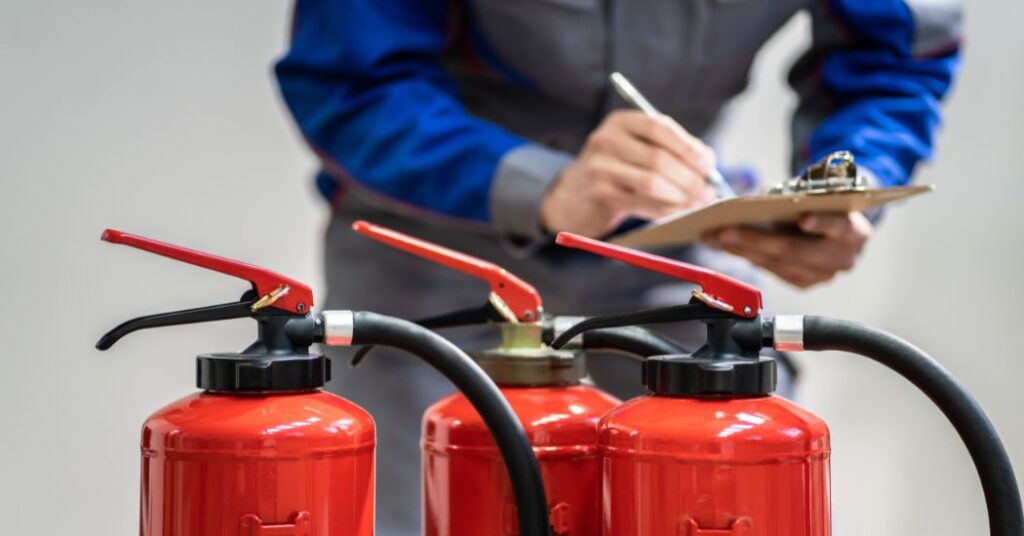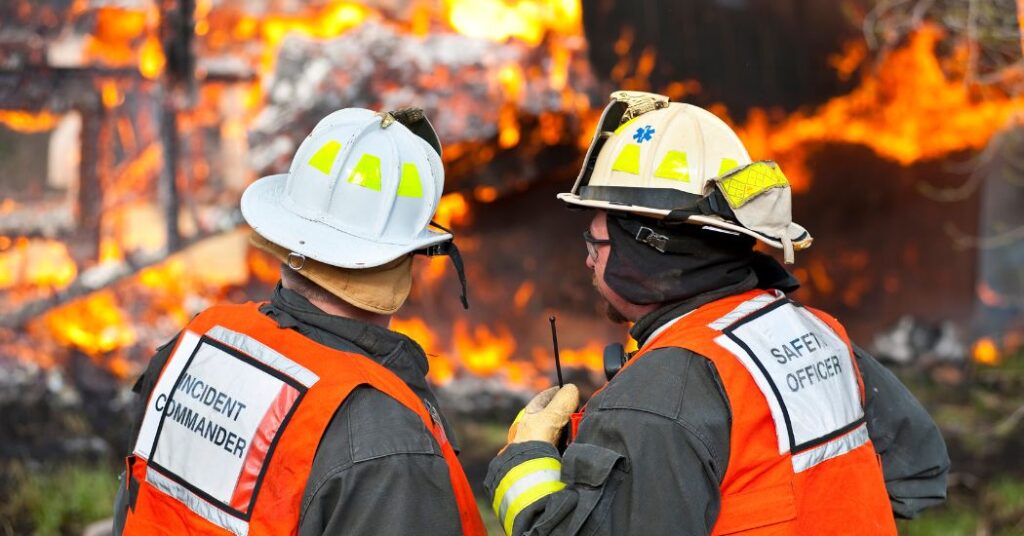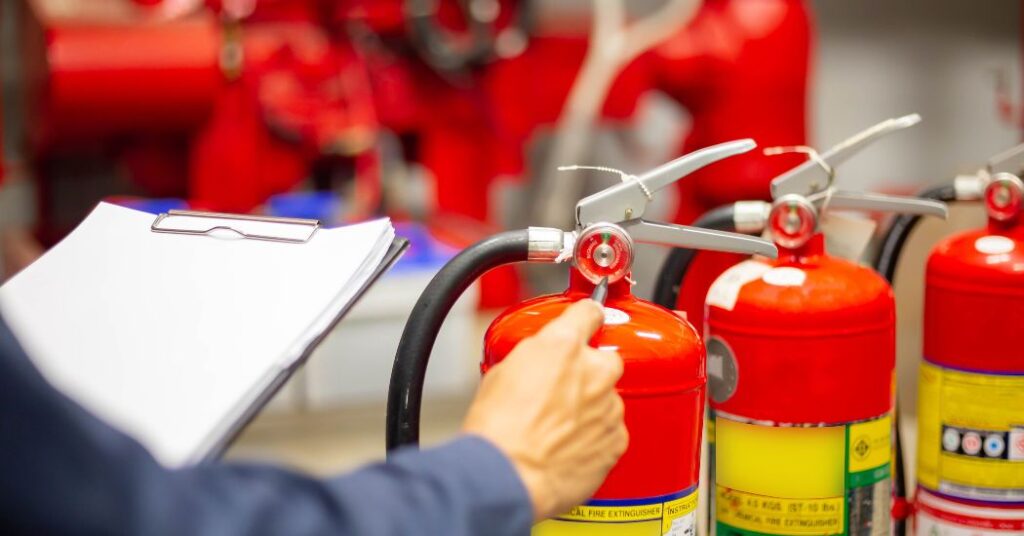
Fire safety is not something most companies think about until something goes wrong. A workplace fire, a failed JBPM audit, or a stop-work order can bring operations to a halt overnight. Yet the solution is straightforward: making sure your organisation has certified Fire Safety Officers (FSO) and a qualified Fire Safety Manager (FSM) in place.
If your company has been putting off FSO and FSM courses, this article is for you. Here are seven concrete reasons why getting your team certified right now is one of the smartest business decisions you can make in Malaysia today.
Reason 1: Malaysian law requires it and enforcement is tightening
Let us start with the most important reason. Under the Fire Services Act 1988 (Act 341), certain categories of premises in Malaysia are legally obligated to appoint certified FSMs and FSOs. This includes factories, high-rise buildings, hospitals, shopping complexes, hotels, educational institutions, and warehouses.
The Jabatan Bomba dan Penyelamat Malaysia (JBPM) has the authority to carry out unannounced fire safety audits on any registered premises. If your building is found to be non-compliant which includes not having certified fire safety personnel JBPM can issue a stop-work notice, suspend your Certificate of Fitness for Occupation (CFO), or take legal action against the company and its directors.
Enforcement has been growing stricter in recent years, particularly for industrial and manufacturing premises. For the latest JBPM compliance requirements and updates, refer to the official Jabatan Bomba dan Penyelamat Malaysia website.
The question is not whether your company needs to comply. The question is whether you want to comply before or after an incident forces you to.
Reason 2: Fire incidents are more common than you think
Malaysia records thousands of fire incidents every year across industrial, commercial, and residential premises. Many of these fires could have been prevented or contained if trained personnel had been present and prepared.
A certified Fire Safety Officer is trained to identify fire hazards before they become emergencies. They conduct regular inspections, maintain fire equipment, and educate colleagues on safe practices. A trained Fire Safety Manager ensures the entire system from equipment maintenance to emergency response planning is functioning properly at all times.
Without certified personnel, small issues go unnoticed. A blocked fire exit. An expired extinguisher. An untested alarm system. These are the conditions that turn a small incident into a disaster.
The cost of prevention which is FSO and FSM training is a fraction of the cost of recovery after a fire.
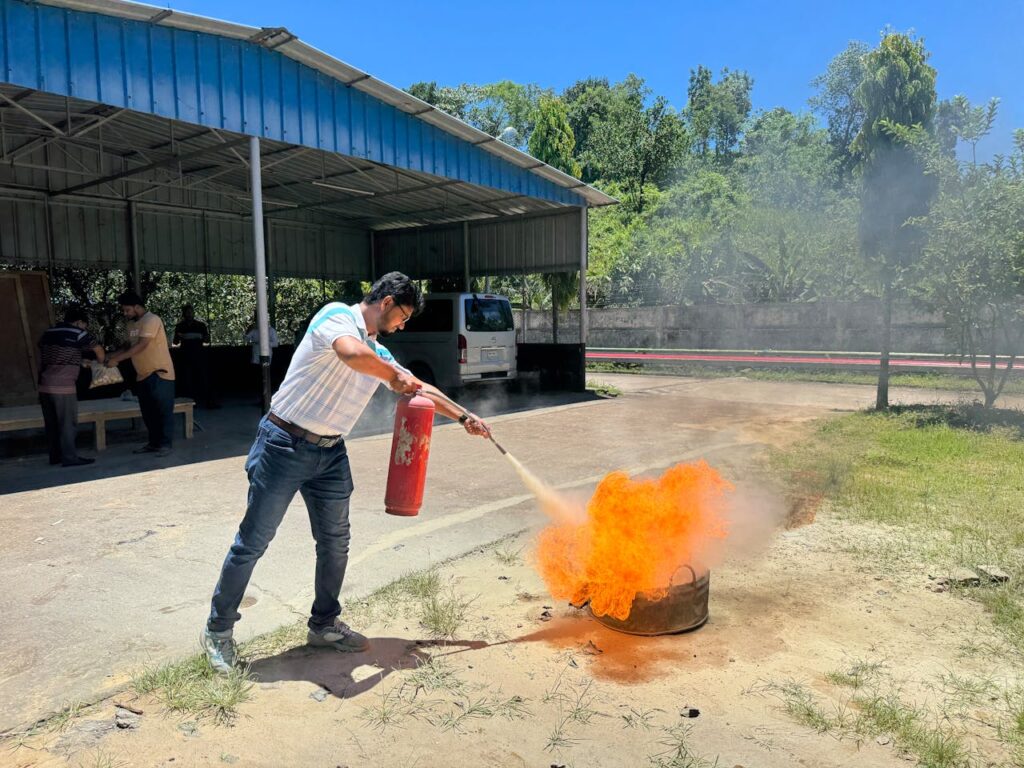
Reason 3: Your employees cannot evacuate safely without trained personnel
When a fire alarm sounds, most employees do not know what to do. They look around, follow the crowd, or wait for someone to tell them where to go. In a real emergency, that hesitation costs lives.
A certified FSO is the person who takes charge in that moment. They know the evacuation routes, they know which zones they are responsible for, and they are trained to guide people out calmly and efficiently. They have practised this through regular fire drills, drills that a trained FSM is responsible for planning and executing.
Having certified fire safety personnel is not just about regulatory compliance. It is about giving your employees the confidence that someone in their workplace knows exactly what to do when it matters most.
Ask yourself: if a fire broke out in your office or factory right now, who would take charge? If the answer is unclear, that is a problem and FSO and FSM training is the solution.
Reason 4: HRD Corp funding makes it more affordable than you think
One of the most common reasons companies delay fire safety training is cost. But here is something many Malaysian employers do not fully utilise: HRD Corp (Human Resources Development Corporation) allows registered companies to claim training fees through their levy fund.
This means that FSO and FSM courses at a registered training provider like AFSA Academy can be fully or significantly funded through your company’s HRD Corp contributions. You have already paid into the fund — it makes sense to use it for training that also protects your business legally.
The SBL-Khas claim process is straightforward. Your HR team submits the training application through the HRD Corp portal before the course begins, and the levy fund covers the approved cost. For companies that have been paying into HRD Corp but rarely claiming, this is a practical and immediate way to put those funds to work.
AFSA Academy’s FSM and FSO training programmes are HRD Corp registered. Contact us to find out how to submit your claim before your next intake.
Reason 5: A fire incident without certified personnel exposes you to serious legal liability
If a fire occurs at your premises and it is found that you did not have certified FSM or FSO personnel in place, the legal consequences can be severe — not just for the company, but for individual directors and managers personally.
Under Malaysian law, the Occupational Safety and Health Act 1994 (OSHA) and the Fire Services Act 1988 both place a duty of care on employers to ensure a safe working environment. Failure to appoint certified fire safety personnel is a clear breach of that duty. In the event of fire-related injuries or fatalities, criminal prosecution of responsible individuals is a real possibility.
Beyond criminal liability, companies also face:
- Civil lawsuits from injured employees or third parties
- Insurance claims being rejected due to non-compliance
- Permanent reputational damage that affects client and investor confidence
- Loss of business licences and operating permits
Certified FSO and FSM training is not just a safety investment — it is a legal risk management strategy that protects your business and the people who run it.
Reason 6: It builds a genuine safety culture in your organisation
Companies that invest in FSO and FSM training are sending a clear message to their employees: your safety matters here. That message has a measurable impact on workplace culture, employee morale, and staff retention.
When employees know that trained personnel are present, that fire drills are conducted regularly, and that fire equipment is properly maintained, they feel safer. That sense of security translates into higher productivity, lower absenteeism, and stronger loyalty to the organisation.
On the other hand, a workplace where fire safety is neglected — where extinguishers are never checked and no one knows the evacuation route — signals to employees that management does not prioritise their wellbeing. The reputational cost of that perception is real, even before a single incident occurs.
FSO and FSM training is one of the most visible, tangible ways a company can demonstrate its commitment to the people who work there.
Reason 7: Certified training gives your company a competitive and tender advantage
For companies in industries like construction, oil and gas, manufacturing, logistics, and government contracting, fire safety certification is increasingly a prerequisite for winning tenders and contracts.
Many procurement processes — especially for government-linked companies (GLCs) and multinational corporations — require vendors and contractors to demonstrate that their workforce includes certified safety personnel. Having FSM and FSO certified staff on your team puts you ahead of competitors who cannot make that claim.
Beyond tenders, ISO certifications, SIRIM audits, and industry accreditations also look favourably on organisations with structured fire safety management in place. Certified FSM and FSO training is evidence of that structure.
In short, fire safety certification is no longer just a legal requirement — it is a business credential that opens doors.
How to get your team FSO and FSM certified in Malaysia
Getting your team certified does not have to be complicated. Here is a simple three-step process:
- Identify who needs which certification. Senior managers, HSE officers, and facility heads typically need FSM training. Floor supervisors, wardens, and safety committee members are suited for FSO training. Not sure which applies to your team? Read our guide on the difference between FSM and FSO.
- Choose a registered training provider. Make sure the provider is HRD Corp registered so you can claim the training cost. AFSA Academy and other providers like FERA Training Centre are among the registered options available in Malaysia.
- Submit your HRD Corp claim and register. Your HR team handles the SBL-Khas application through the HRD Corp portal. Once approved, your employees attend the programme and receive their certification upon passing the assessment.
The entire process — from registration to certification — takes as little as two to five working days depending on the programme.
Quick tip: Plan your FSO and FSM training before your next JBPM audit or building CFO renewal. Trying to arrange last-minute certification during an audit process is stressful, costly, and sometimes too late.

Frequently Asked Questions
How many FSOs does my company need?
The number of FSOs required depends on the size, layout, and occupancy of your premises. Larger buildings with multiple floors or zones typically require one FSO per floor or zone. Your FSM or AFSA Academy’s team can help you assess the appropriate number for your specific premises.
Does FSO training count as OSHA training?
FSO training focuses specifically on fire safety. It complements OSHA training but does not replace it. For full workplace safety compliance in Malaysia, companies should have both OSHA-compliant safety programmes and certified fire safety personnel in place.
Can we arrange FSO training at our own premises?
Yes. AFSA Academy offers in-house and corporate training options for companies that prefer to have training conducted on-site. This is especially practical for large teams or companies located away from our Pasir Gudang facility.
How do I know if my premises legally requires FSM and FSO certification?
The easiest way is to check your premises classification with JBPM or consult a certified training provider. As a general rule, if your premises is a high-rise building, factory, hospital, hotel, shopping complex, or educational institution, you almost certainly have a legal obligation to appoint certified fire safety personnel.
Take action before you are required to
The seven reasons above all point to one conclusion: FSO and FSM certification is not something to delay. Whether it is regulatory pressure, legal risk, employee safety, or business opportunity, the case for getting your team trained is clear and compelling.
At AFSA Academy, we make the process straightforward. Our certified programmes are hands-on, JBPM-aligned, and HRD Corp claimable. We serve companies across Johor and Malaysia with both public intake and in-house training options.
Call or WhatsApp: +6012-612 0893
Email: [email protected]
Location: Politeknik Ibrahim Sultan, Pasir Gudang, Johor
Contact AFSA Academy today to register your team for the next available FSO or FSM course.