
Fire Safety Officer duties Malaysia workplaces assign should focus on maintaining safe daily conditions, identifying fire hazards and supporting emergency preparedness.
A Fire Safety Officer, commonly known as an FSO, usually works closer to daily workplace operations than a Fire Safety Manager.
The FSO may inspect an assigned floor, department, building zone or operational area. The officer then records hazards, reports urgent issues and follows up with the relevant department.
However, an FSO should not depend only on a general checklist.
The officer must understand the workplace layout, activities, fire hazards, emergency procedures and reporting structure.
AFSA Academy provides practical FSM and FSO training for organisations that need competent personnel to support workplace fire safety, inspections and emergency preparedness.
What Is a Fire Safety Officer?
A Fire Safety Officer is an appointed workplace representative who supports the organisation’s fire safety programme.
The exact responsibilities may depend on the type of premises, internal appointment, company structure and applicable requirements.
In general, an FSO may support:
- Workplace fire safety inspections.
- Identification of visible fire hazards.
- Monitoring of emergency escape routes.
- Fire equipment accessibility.
- Employee fire safety awareness.
- Evacuation and fire drill activities.
- Fire safety documentation.
- Corrective action monitoring.
- Communication with the Fire Safety Manager.
The FSO should understand the limits of the role.
For example, the officer may identify visible damage to a fire protection system. However, competent technicians should conduct specialist servicing, testing and repair work.
Malaysia’s official fire safety framework also provides for a Fire Safety Organisation within relevant designated premises. JBPM continues to publish information concerning the establishment of the organisation and nomination of Fire Safety Managers and Fire Safety Officers. (Bomba).
Difference Between an FSM and FSO
The Fire Safety Manager, or FSM, normally coordinates the organisation’s wider fire safety management programme.
Meanwhile, the Fire Safety Officer, or FSO, supports implementation within assigned workplace areas.
An FSM may focus on:
- Fire safety planning.
- Management reporting.
- Organisation-wide coordination.
- Emergency procedure reviews.
- Training schedules.
- Corrective action monitoring.
- Communication with stakeholders.
An FSO may focus more closely on:
- Routine workplace inspections.
- Department-level fire hazards.
- Emergency-exit conditions.
- Housekeeping weaknesses.
- Employee awareness.
- Fire drill support.
- Reporting workplace findings.
Therefore, the FSM and FSO should work as one coordinated team.
The FSM needs accurate workplace information from FSOs. At the same time, FSOs need clear instructions, authority and management support from the FSM.
Employers can review the difference between FSM and FSO before deciding how to divide workplace responsibilities.
Daily Fire Safety Officer Duties
Daily inspections should focus on conditions that can change quickly.
Employees may temporarily place materials inside a corridor. Contractors may block an exit, while maintenance activities may introduce temporary electrical cables or ignition sources.
Therefore, an FSO should remain alert to changes during normal operations.
I. Check Emergency Exits and Escape Routes
First, the FSO should confirm that escape routes remain clear.
The inspection may cover:
- Corridors.
- Staircases.
- Emergency doors.
- Exit discharge areas.
- Routes leading to assembly points.
- Alternative evacuation routes.
Boxes, furniture, tools, stock and waste materials should not obstruct evacuation.
The officer should also check whether employees have locked, tied or blocked an emergency exit.
When the FSO identifies an urgent obstruction, the responsible department should correct it immediately.
The officer should not wait until the next scheduled report when the condition may affect employee evacuation.
II. Review Fire Door Conditions
Fire doors help control the movement of smoke and heat within a building.
During routine observations, the FSO may check whether:
- Employees have wedged doors open.
- Materials obstruct the door.
- The door appears visibly damaged.
- The door can close without obstruction.
- Required signs remain visible.
- Employees use the door appropriately.
The FSO should report technical defects to facility management or a competent service provider.
Employees should not modify fire doors without proper technical review and approval.
III. Check Firefighting Equipment Accessibility
Portable fire extinguishers, hose reels and other fire safety equipment must remain accessible.
The FSO may observe whether:
- Furniture or stock blocks the equipment.
- The equipment remains in its assigned location.
- Identification signs remain visible.
- The surrounding area remains clear.
- Visible damage has occurred.
- An inspection label appears missing or unusual.
The officer should not conduct technical servicing unless trained and authorised to perform that work.
Instead, the FSO should report any concern to the responsible facility team or approved service provider.
IV. Observe Electrical Fire Hazards
Electrical problems can appear during daily operations.
The FSO may identify visible issues such as:
- Damaged cables.
- Loose plugs.
- Overloaded extension sockets.
- Temporary wiring.
- Equipment producing unusual heat.
- Electrical panels blocked by storage.
- Unauthorised appliances.
- Charging equipment placed near combustible materials.
The officer should report these conditions promptly.
Qualified electrical personnel should investigate technical problems and complete the necessary corrective work.
V. Monitor Workplace Housekeeping
Poor housekeeping can increase fuel loading and block emergency access.
The FSO should observe whether employees properly manage:
- Paper and cardboard.
- Packaging materials.
- Waste.
- Timber.
- Plastic products.
- Cleaning materials.
- Unused furniture.
- Combustible stock.
Departments should remove unnecessary materials and maintain designated storage areas.
When the same problem appears repeatedly, the FSO should investigate the cause.
For example, employees may block a corridor because the department lacks enough storage space. In that case, management should improve the storage arrangement instead of repeatedly issuing reminders.
VII. Observe Hot Work and Contractor Activities
Welding, cutting, grinding and other hot work can introduce temporary ignition sources.
The FSO should understand the organisation’s hot-work and contractor-control procedures.
During an inspection, the officer may check whether:
- The work has received appropriate approval.
- The surrounding area remains controlled.
- Combustible materials remain managed.
- The responsible supervisor remains aware.
- Emergency access remains available.
- Contractors understand the alarm and evacuation procedure.
The FSO should report unauthorised or unsafe activities immediately.
VIII. Check High-Risk Operational Areas
Some work areas require closer attention because the activities or materials can increase fire risk.
These areas may include:
- Chemical stores.
- Warehouses.
- Battery-charging stations.
- Maintenance workshops.
- Kitchens.
- Generator rooms.
- Electrical rooms.
- Production lines.
- Waste-storage areas.
- Loading bays.
The FSO should follow the organisation’s approved inspection process for each area.
The officer should not enter restricted or hazardous zones without suitable permission, competency and protective arrangements.
Weekly Fire Safety Officer Responsibilities
Weekly checks can examine trends and recurring conditions more closely.
The exact frequency should reflect workplace risks and internal procedures.

I. Review the Inspection Register
The FSO should review findings from recent inspections.
This review can identify:
- Repeated blocked exits.
- Unresolved equipment issues.
- Departments with weak housekeeping.
- Missing corrective action updates.
- Recurring contractor problems.
- Areas requiring management attention.
A repeated finding may indicate a wider management or operational problem.
Therefore, the FSO should avoid treating every occurrence as a separate minor issue.
II. Follow Up Corrective Actions
Recording a hazard does not complete the inspection process.
The FSO should follow up with the responsible department and verify whether the organisation has corrected the issue.
A corrective action record may include:
- Finding.
- Exact location.
- Date identified.
- Risk priority.
- Immediate action.
- Responsible department.
- Responsible person.
- Completion deadline.
- Verification date.
- Final status.
The officer should escalate overdue high-risk findings to the FSM or management.
III. Review Emergency Contact Information
Emergency contact information can change when employees leave, transfer departments or receive new responsibilities.
The FSO may help verify:
- FSM contact details.
- FSO names.
- Fire warden information.
- First aider contacts.
- Security control-room numbers.
- Facility-management contacts.
- Internal emergency numbers.
- Relevant external contacts.
Updated information should remain accessible to employees who need it.
IV. Confirm Fire Warden Coverage
The FSO may work with fire wardens during evacuations and drills.
Therefore, the officer should confirm whether each assigned zone has suitable coverage.
Management should review:
- Employee leave.
- Shift changes.
- Remote-working arrangements.
- Resignations.
- Department transfers.
- Temporary workplace closures.
A floor should not depend on one person who may remain absent during an emergency.
V. Monthly Fire Safety Officer Checklist
Monthly reviews allow the FSO to examine workplace readiness more systematically.
The officer may combine inspection findings, drill records and employee feedback within one summary for the FSM.
VI. Review Fire Safety Records
The FSO may review records such as:
- Daily inspection findings.
- Corrective action status.
- Fire drill reports.
- Fire warden lists.
- Employee briefing records.
- Contractor safety information.
- Equipment service reports.
- Incident and near-miss records.
The officer should confirm that the documents remain organised and current.
However, recordkeeping should support workplace improvement rather than become an administrative exercise without follow-up.
VIII.Check Evacuation Maps and Signs
Workplace layouts can change after renovation, department relocation or installation of new equipment.
The FSO should confirm whether:
- Evacuation maps reflect the current layout.
- Emergency exits appear correctly.
- Assembly points remain suitable.
- Directional signs remain visible.
- Employees can understand the displayed information.
- Obstructions affect mapped routes.
Management should update inaccurate maps promptly.
Employees may follow the displayed information during an actual emergency. Therefore, outdated maps can create confusion.
IX. Review Changes to Workplace Operations
The FSO should discuss operational changes with supervisors and facility personnel.
Relevant changes may include:
- New machinery.
- New chemicals.
- Increased storage.
- Renovation work.
- Department relocation.
- Changes to electrical equipment.
- New contractors.
- Increased occupancy.
- New work shifts.
- Temporary projects.
These changes may affect the existing fire risk assessment and Emergency Response Plan.
The FSO should report significant changes to the FSM for further review.
Prepare a Monthly FSO Report
A monthly report should give the FSM and management a clear view of workplace conditions.
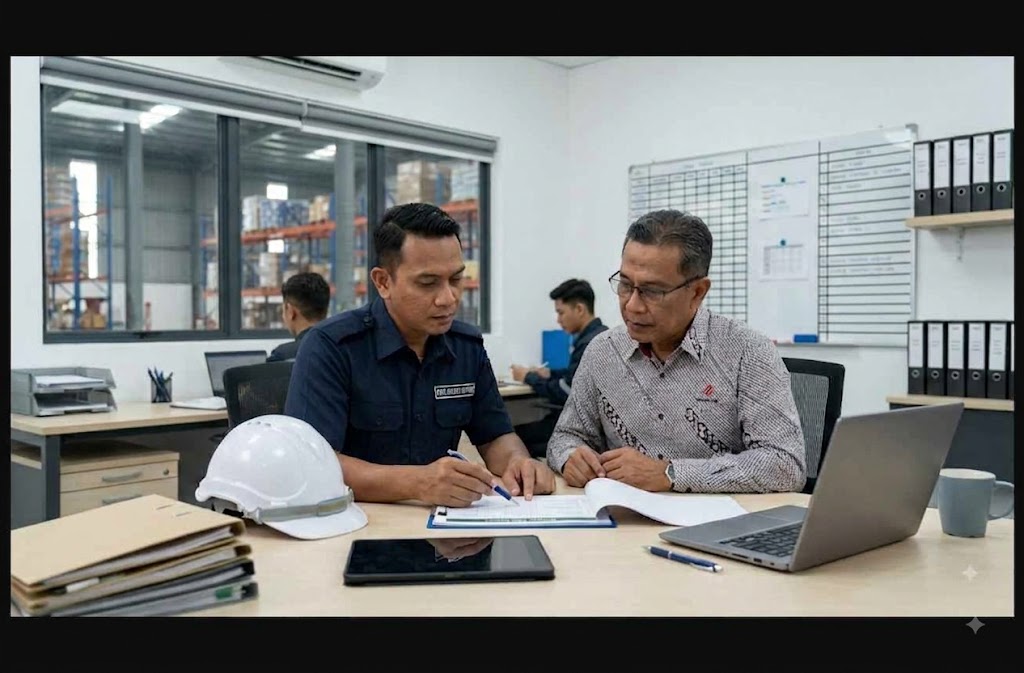
The report may include:
- Number of inspections completed.
- Main hazards identified.
- Immediate actions taken.
- Overdue corrective actions.
- Repeated findings.
- Areas requiring management support.
- Training or briefing activities.
- Fire drill preparation.
- Changes to workplace risks.
- Recommendations for the following month.
The report should remain direct and practical.
Management needs to understand the issue, risk and required decision without reading unnecessary technical wording.
I. Fire Safety Officer Duties Before a Fire Drill
The FSO plays an important role before an evacuation exercise.
Before the drill, the officer may help review:
- Employee lists.
- Visitor procedures.
- Fire warden zones.
- Assembly-point arrangements.
- Evacuation routes.
- Alternative routes.
- Employees requiring assistance.
- Communication methods.
- Observer locations.
- Drill objectives.
The FSO should also understand whether the drill will test a specific scenario.
For example, management may close one normal route during the exercise to evaluate whether employees know the alternative exit.
The workplace should plan every scenario carefully and avoid creating unnecessary danger or confusion.
II. FSO Responsibilities During a Fire Drill
During the exercise, the FSO may act as a participant, observer or coordinator according to the approved drill plan.
The officer may monitor:
- Employee response to the alarm.
- Fire warden activation.
- Use of evacuation routes.
- Visitor assistance.
- Staircase movement.
- Assembly-point organisation.
- Headcount procedures.
- Communication between teams.
- Unsafe employee behaviour.
- Total evacuation progress.
The FSO should record observations objectively.
The officer should not focus only on evacuation time.
A fast evacuation may still contain serious weaknesses, such as employees using an unsafe route or departments submitting inaccurate headcounts.
III. FSO Responsibilities After a Fire Drill
After the drill, the FSO should support the debriefing process.
The review should identify:
- What worked correctly.
- Which instructions caused confusion.
- Whether employees heard the alarm.
- Whether routes remained suitable.
- Whether wardens understood their duties.
- Whether the assembly process worked.
- Whether visitors received help.
- Whether corrective actions are required.
The FSO should help convert each weakness into a specific action.
For example, instead of recording “employees were confused,” the report should identify the location, cause and required improvement.
Management can then update signs, provide briefings or revise the procedure.
IV. Fire Safety Officer Documentation
Good documentation helps the organisation track conditions over time.
An FSO may maintain or support:
- Inspection checklists.
- Hazard reports.
- Corrective action records.
- Fire drill observations.
- Monthly summaries.
- Employee briefing attendance.
- Fire warden lists.
- Emergency contact information.
- Workplace photographs.
- Escalation records.
The officer should clearly distinguish between:
- An observation.
- A confirmed technical defect.
- Immediate action taken.
- Further action required.
- Final verification.
For example, the FSO may observe that a fire alarm device appears damaged. A competent technician should then confirm the technical condition.
Accurate wording prevents the FSO from making unsupported technical conclusions.
When Should an FSO Escalate an Issue?
The FSO should escalate a finding when the workplace cannot correct it immediately or when it presents a serious concern.
Examples may include:
- A locked emergency exit.
- A blocked staircase.
- Major changes to evacuation routes.
- Repeated electrical hazards.
- Damaged fire doors.
- Fire protection equipment that appears unavailable.
- Uncontrolled hot work.
- Large amounts of unsafe combustible storage.
- A serious chemical or hazardous-material concern.
- Departments refusing to complete corrective action.
- A workplace change that affects the Emergency Response Plan.
The escalation may involve:
- The Fire Safety Manager.
- Facility management.
- Department management.
- Senior management.
- Safety and Health personnel.
- Competent technical specialists.
The FSO should follow the organisation’s internal reporting procedure.
When an immediate danger exists, the organization should introduce suitable controls without waiting for a normal monthly meeting.
Common Mistakes Made by Fire Safety Officers
Even trained personnel may struggle when the organization does not provide a clear system.
Using the Same Checklist for Every Area
An office, warehouse and chemical store contain different hazards.
The FSO should adapt inspection points to the assigned area.
Recording Findings Without Follow-Up
A completed checklist does not reduce risk.
The officer must monitor corrective actions and verify completion.
Inspecting Only Before an Audit
Fire safety conditions can change every day.
Routine inspections should support continuous readiness.
Focusing Only on Fire Extinguishers
The FSO should also review escape routes, housekeeping, electrical hazards, employee awareness and operational changes.
Making Technical Conclusions Without Competency
The FSO should report visible concerns and refer technical matters to competent personnel.
Failing to Escalate Repeated Problems
Repeated hazards may require management action, budget or operational change.
Completing Duties Without Management Support
An FSO cannot maintain workplace fire safety alone.
Management, supervisors and employees must cooperate with inspections and corrective actions.
Fire Safety Officer Duties in Different Workplaces
The inspection focus should match the industry.
Offices
An office FSO may focus on electrical sockets, pantry areas, emergency exits, stored documents and high-rise evacuation arrangements.
Factories
A factory FSO may review machinery, combustible production materials, hot work, shift coverage and safe operational shutdown arrangements.
Warehouses
A warehouse FSO may monitor stock placement, packaging materials, charging stations, loading bays, exit routes and access to fire equipment.
Hotels and Public Buildings
These premises require strong visitor procedures because many occupants may not understand the building layout.
Chemical and Industrial Facilities
The FSO may need additional awareness of hazardous materials, Safety Data Sheets, chemical stores, restricted zones and alternative evacuation arrangements.
The officer should not perform HAZMAT response tasks without appropriate training, equipment and authorisation.
AFSA’s HAZMAT training supports organisations that need additional hazardous-material awareness and emergency-response competency.
What Training Should a Fire Safety Officer Attend?
An FSO needs more than general employee fire safety awareness.
Suitable development may include:
- Fire Safety Officer training.
- Workplace fire hazard identification.
- Fire inspection methods.
- Emergency evacuation.
- Fire drill planning.
- Basic firefighting awareness.
- Incident reporting.
- Corrective action management.
- Emergency Response Team coordination.
- Industry-specific hazard training.
AFSA currently positions its FSM and FSO programme around hazard inspections, risk assessment preparation and workplace fire safety planning. (AFSA)
Organisations can review the dedicated FSM and FSO training programme to identify a suitable pathway for their employees.
Sample FSO Inspection Workflow
An organisation may use the following workflow:
Inspect the assigned area
The FSO observes workplace conditions and compares them with the approved checklist.
Record the finding
The officer records the exact location, condition and date.
Apply an immediate safe correction
When possible, the responsible department removes a simple obstruction or corrects a minor housekeeping issue immediately.
Assign further action
Technical or management issues receive a responsible person and completion deadline.
Escalate serious concerns
The FSO informs the FSM or management when the risk requires urgent attention.
Verify completion
The officer checks whether the organization has completed the action effectively.
Close the record
The FSO records the verification date and final status.
This workflow turns inspection activity into measurable improvement.
Why Choose AFSA Academy?
AFSA Academy provides practical fire safety and emergency-response development for commercial and industrial organisations.
Its programmes help participants connect course knowledge with workplace duties such as:
- Fire hazard inspection.
- Emergency preparedness.
- Risk assessment support.
- Evacuation planning.
- Corrective action reporting.
- Fire safety documentation.
- ERT coordination.
Organisations may combine FSM and FSO development with Emergency Response Team training and workplace fire drills.
This integrated approach helps the FSM, FSO, fire wardens and ERT members understand how their responsibilities connect.
Companies can contact AFSA Academy and AFSA’s projects to discuss candidate roles, workplace risks, participant numbers and preferred training outcomes.
Conclusion
A Fire Safety Officer supports the organisation by monitoring everyday workplace conditions.
The role should not begin and end with completing an inspection checklist.
First, the FSO should identify hazards involving escape routes, housekeeping, electrical equipment and workplace activities.
Next, the officer should record each finding and assign it to the responsible department.
The FSO should then monitor progress, escalate serious concerns and verify completed actions.
Additionally, the officer should support employee awareness, fire drills and communication with the Fire Safety Manager.
Clear Fire Safety Officer duties Malaysia workplaces implement can help prevent minor weaknesses from becoming serious emergency problems.
However, the organisation must give the FSO enough authority, time, training and management support to perform the role effectively.
Frequently Asked Questions
What are the main Fire Safety Officer duties Malaysia workplaces assign?
The main duties may include workplace inspections, hazard reporting, emergency-exit monitoring, fire drill support, documentation and corrective action follow-up.
What does FSO stand for?
FSO stands for Fire Safety Officer within the workplace fire safety context.
Does an FSO inspect fire extinguishers?
An FSO may check visible condition, location and accessibility. Competent service personnel should perform formal technical inspection, testing and maintenance.
Should an FSO conduct inspections every day?
The inspection frequency should reflect the workplace risk and internal procedure. Higher-risk or frequently changing areas may require more regular checks.
What should an FSO check during a workplace inspection?
The officer may check escape routes, fire doors, equipment access, housekeeping, electrical hazards, storage conditions and workplace changes.
Is an FSO responsible for repairing fire protection systems?
No. The FSO should report technical defects. Competent and authorized personnel should complete specialist repairs and servicing.
What is the difference between an FSM and FSO?
The FSM normally coordinates the wider fire safety programme. The FSO supports daily implementation within an assigned area.
Can an FSO also become a fire warden?
An employee may hold both roles when management clearly defines the responsibilities and provides suitable training. However, the organization should avoid overloading one person.
What documents should an FSO maintain?
Documents may include inspection checklists, hazard reports, corrective action records, drill observations, contact lists and monthly summaries.
When should an FSO report an issue to management?
The officer should escalate serious, repeated or overdue hazards that the responsible department cannot correct through normal action.
Does an FSO need formal training?
Organizations should provide role-specific training that covers inspections, fire hazards, emergency procedures, documentation and workplace responsibilities.
Can AFSA provide FSM FSO training for companies?
AFSA provides practical FSM and FSO training for organisations that need workplace fire safety, inspection and emergency-preparedness competency.